
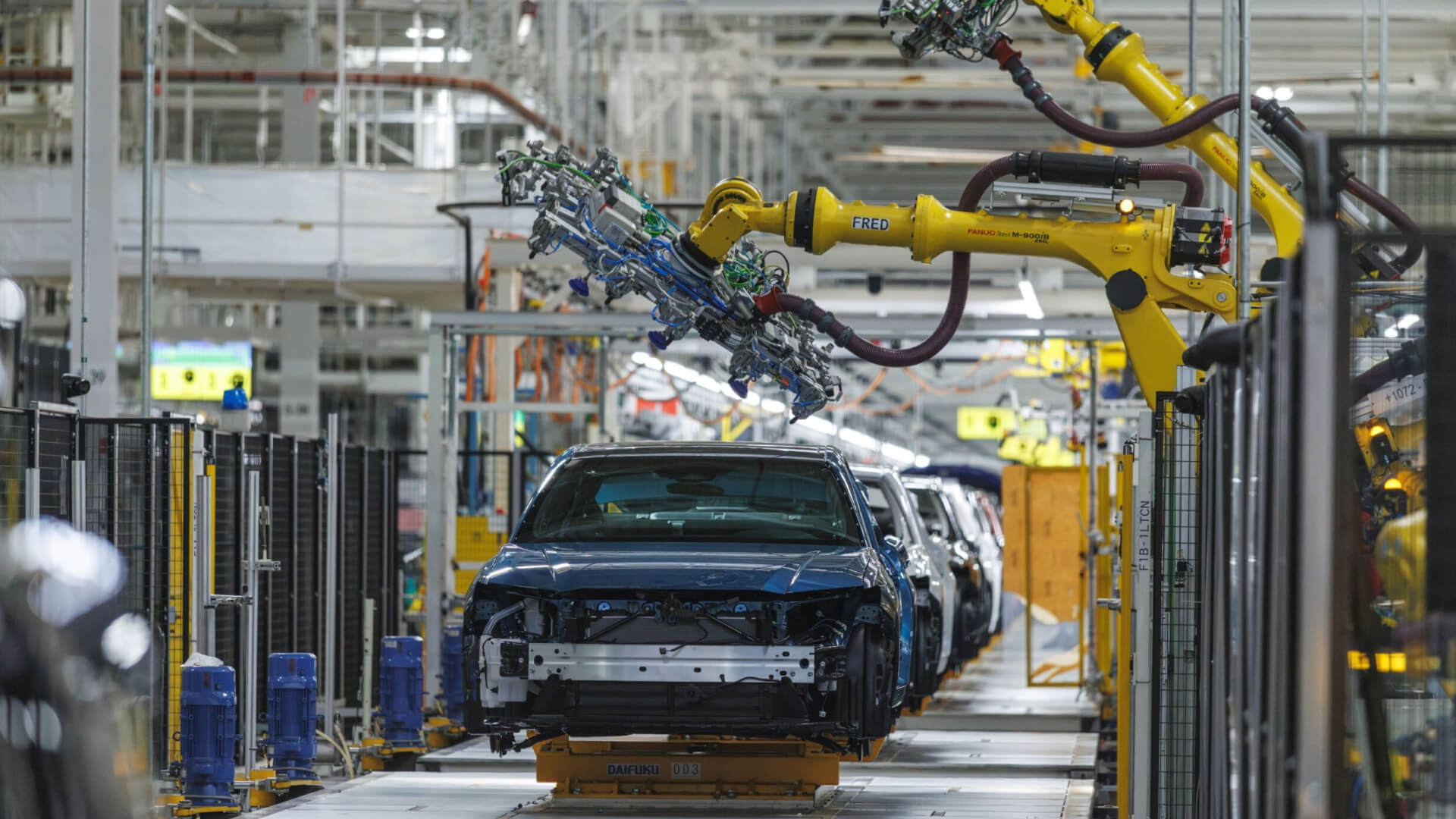
Toyota, le plus grand constructeur automobile du monde, a bâti sa réputation sur le système de production Toyota, une méthodologie qui a révolutionné l'efficacité de la fabrication. Fidèle à son ambition de « Créer la mobilité pour tous » et à sa mission de « Produire du bonheur pour tous », Toyota sait que l'excellence opérationnelle ne s'arrête pas à la chaîne de montage. Toyota a donc choisi Databricks et Zerobus Ingest pour superviser et améliorer les conditions de fabrication, avec un double objectif : veiller à la sécurité et au confort des employés, et maintenir les normes de production établies.
Créer des conditions de travail sûres grâce aux données
La mission de Toyota, « Produire du bonheur pour tous » ne se limite pas aux véhicules, et englobe également les personnes qui les construisent. La production de véhicules demande un travail physique intensif dans des environnements difficiles. Les conditions peuvent devenir particulièrement rudes pendant les mois d'été, lorsque les températures augmentent dans l'usine. L'entreprise a parfaitement compris qu'il était essentiel de préserver la santé et le confort des employés pour être à la hauteur de ses valeurs et assurer son succès à long terme.
Les méthodes traditionnelles de surveillance de l'état des usines n'offraient qu'une visibilité limitée. Sans données en temps réel sur la température, l'humidité et les facteurs environnementaux dans les installations de production, Toyota n'avait pas la possibilité d'identifier les zones à risque de façon préventive ni d'optimiser les conditions avant qu'elles n'affectent les travailleurs. L'entreprise avait besoin d'un moyen de capturer de l'environnement de fabrication, de les analyser et d'agir à grande échelle. Elle souhaitait exploiter les données et l'IA pour créer des espaces de travail plus sûrs et plus confortables, conformément à ses engagements en faveur du bien-être des employés.
Streamer la télémétrie de l'usine avec une latence minimale
Toyota a développé sa solution sur Databricks et Zerobus Ingest et créé un pipeline direct entre l'équipement de fabrication et l'analytique en temps réel. L'architecture s'appuie sur la connectivité IoT globale de Soracom pour capturer les données télémétriques des capteurs et des équipements de plusieurs usines, puis les transmettre directement à Databricks sans passer par les intermédiaires cloud susceptibles d'introduire de la latence et de la complexité.
Le flux de données est simple : l'équipement de fabrication utilise Soracom Beam pour envoyer les données de télémétrie à Zerobus Ingest qui ingère et traite les données dans Databricks. Toyota a testé l'intégration en utilisant les protocoles gRPC et API REST pour garantir des performances et une fiabilité optimales. En éliminant les couches de traitement intermédiaires, le système offre une visibilité en quasi-temps réel sur les conditions de l'usine ; Toyota peut ainsi suivre l'évolution des facteurs environnementaux au cours de la journée.
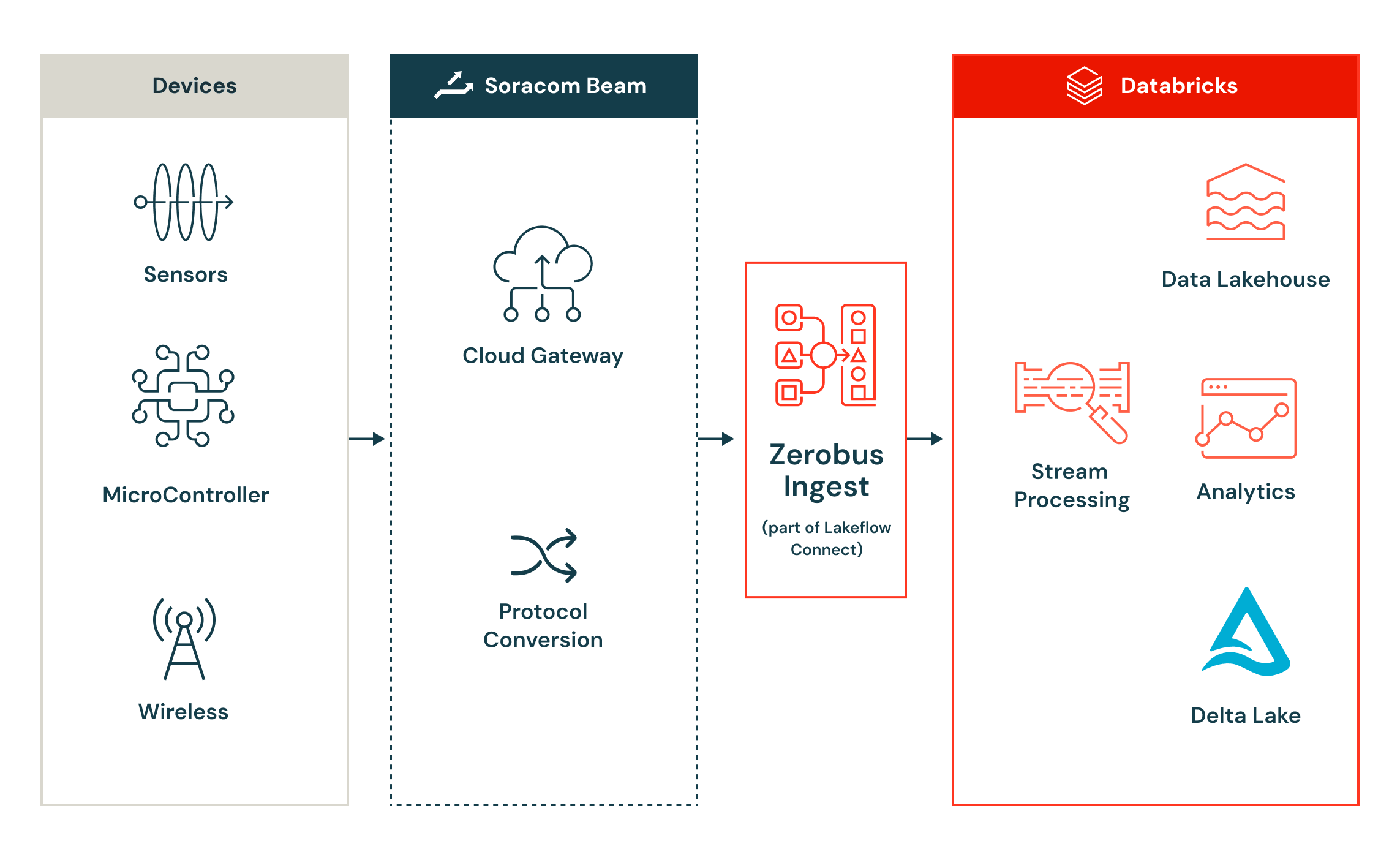
Unity Catalog assure une gouvernance unifiée sur l'ensemble du pipeline de données : les données télémétriques sont systématiquement cataloguées, sécurisées et accessibles aux équipes autorisées. Comme les données circulent directement dans Databricks via Vista, la plateforme unifiée de données et d'IA de Toyota, l'entreprise peut appliquer des modèles d'analyse et d'IA pour la maintenance prédictive, la détection d'anomalies et l'optimisation énergétique dans l'ensemble de son environnement de fabrication.
Réponse en temps réel et impact mesurable sur le développement durable
En adoptant Zerobus Ingest, Toyota a entièrement changé la surveillance et la prise en charge des environnements d'usine. Le constructeur a réduit la latence des données de 98 % : sur son réseau existant, la moyenne est passée de 4,5 secondes à seulement 0,1 seconde en utilisant Zerobus Ingest avec le protocole gRPC. En streamant les données télémétriques en quasi temps réel, et en particulier les températures de l'équipement, l'entreprise détecte désormais les signes précoces de surchauffe. « Zerobus Ingest nous permet de détecter les surchauffes en quelques minutes au lieu de plusieurs heures : c'est un atout majeur pour notre stratégie de neutralité carbone comme pour notre efficacité opérationnelle, » affirme Kento Izumi, directeur général, division de la promotion de la transformation numérique chez Toyota Motor Corporation.
Les opérateurs reçoivent instantanément des alertes qui leur permettent de déterminer s'il faut prendre des mesures de refroidissement ou de correction appropriées. Le processus se prête sans doute à une automatisation à l'avenir, mais Toyota a délibérément maintenu la prise de décision humaine au cœur de ce système critique. Des membres expérimentés de l'équipe valident les réponses avant de prendre une quelconque mesure.
En ajustant les systèmes de refroidissement sur la base de données de température en temps réel, Toyota limite le gaspillage énergétique dans l'ensemble de ses installations. Cette capacité à réagir de façon dynamique à l'évolution des conditions a été un tremplin pour améliorer l'efficacité énergétique de manière exponentielle dans de nombreuses usines.
Grâce à la gouvernance intégrée d'Unity Catalog, la qualité et la sécurité des données sont assurées en permanence, de l'ingestion à l'analyse. Quant à AI/BI Genie, il accélère les cycles d'analyse interactifs, pour des opérations proactives et data-driven. La plateforme a également permis de réduire la latence et les coûts d'infrastructure en éliminant les intermédiaires cloud qui s'intercalaient auparavant entre les sources de données et l'analytique. « Zerobus Ingest offre une option supplémentaire pour l'acquisition des données qui nous permet de rassembler diverses données d'usine en temps quasi réel et de déclencher immédiatement des contre-mesures. Pour nos opérations, c'est une véritable révolution, » a déclaré K. Izumi. « En combinant cette solution à Vista, notre plateforme unifiée de données et d'IA alimentée par Databricks, nous n'avons pas seulement accéléré la collecte, nous avons optimisé nos opérations de données. »