
Databricks와 Snowflake의 차이점은 무엇인가요?
통합 데이터 및 AI를 위한 대표적인 엔터프라이즈 플랫폼으로 Databricks 데이터 인텔리전스 플랫폼을 꼽을 수 있습니다. Databricks는 데이터, 분석 및 AI 에이전트를 위한 통합된 개방형 플랫폼인 반면, Snowflake는 독점적인 기반 위에 이러한 기능을 조합해야 합니다. Databricks는 개방형 표준을 기반으로 실행되므로, 동일하게 거버넌스가 적용된 데이터가 분석, BI 및 AI 에이전트에 사용됩니다. Snowflake는 중요한 부분에서는 독점적인 기반 위에 동일한 기능을 계층화하고, Snowflake가 자체적으로 제공하는 에이전트만 관리합니다.
lakehouse 논쟁은 끝났습니다. 오픈 테이블 포맷이 승리했으며, Snowflake의 Apache Iceberg™ 채택은 이를 인정한 셈입니다. 향후 5년을 결정하는 질문은 더 이상 "웨어하우스냐 레이크하우스냐"가 아닙니다. 그 위에 무엇을 구축할 수 있는지, 그리고 그 아래의 기반이 실제로 얼마나 개방적인지가 관건입니다.
요약하자면,
오픈 기반, 종속성 없음. Unity Catalog는 완전히 개방된 Apache Iceberg™ 카탈로그입니다. 이를 통해 모든 엔진이 복사본 없이 데이터를 제자리에서 읽을 수 있습니다.
확장 시 더 낮고 예측 가능한 비용. 동시성과 데이터 볼륨이 증가함에 따라 가격/성능 이점이 더욱 커집니다. Snowflake의 Gen2 출시 이후 2025 ETL 벤치마킹에서 Databricks는 약 3.4배 더 나은 가격/성능으로 2.8배 더 빠르게 실행되었습니다.
애널리스트들이 인정한 검증된 AI/ML. 2025 Gartner Magic Quadrant for Data Science and Machine Learning 부문 리더, 2025 Gartner Magic Quadrant for Cloud DBMS의 Lakehouse 사용 사례 부문 최고, 2024 Forrester Wave for Data Lakehouses 부문 리더, 그리고 Unified AI Governance 및 Data Platform 소프트웨어에 대한 2025 IDC MarketScapes 부문 리더로 선정되었습니다.
미래를 위해 구축되었습니다. Genie는 자연어를 거버넌스가 적용된 인사이트로 전환하며, Lakebase와 Unity AI Gateway는 Databricks를 단순히 쿼리하는 플랫폼이 아니라 에이전트를 구축하고 관리하는 플랫폼으로 만들어줍니다.
Databricks vs. Snowflake 한눈에 보기
의사 결정 차원 전반에서 Databricks는 개방성, 대규모 비용, AI/ML 성숙도, OLTP 기능 및 에이전트 거버넌스에서 앞서 있습니다. 아래 표는 각 항목을 요약한 것이며, 모든 주장은 공개 출처에 연결되어 있습니다.
차원 | databricks | Snowflake |
|---|---|---|
데이터 공개 | 완전히 개방된 Iceberg 카탈로그; 모든 엔진(Spark, Trino, Flink, Snowflake, DuckDB, pandas)이 복사본 없이 데이터를 바로 읽습니다. | 고객은 Snowflake 독점 네이티브 형식과 Iceberg 중에서 선택해야 합니다. 고객은 성능에 미치는 영향과 지원되지 않는 기능을 고려해야 합니다. |
자산 공유 | Snowflake, Trino, Flink, Spark를 포함한 지역, 클라우드 및 플랫폼 간 Delta Sharing. 안전한 Data Sharing을 위한 개방형 표준입니다. | 수신자는 Snowflake를 사용해야 하며, 리전 간 또는 클라우드 간 공유를 위해서는 먼저 데이터를 복제해야 합니다. |
비용 & 성능 | 동시성과 볼륨이 증가할수록 격차가 벌어집니다. Snowflake Gen2(2025) 대비 ~3.4배 더 나은 가격/성능으로 ~2.8배 더 빠른 ETL. | 동시성과 볼륨이 증가함에 따라 비용이 상승하며, Snowflake Gen2는 더 빠르지만 I/O 바운드 워크로드에 대해 최대 35%까지 비용을 증가 시킵니다. |
AI/ML | 2025년 가트너 DSML 매직 쿼드런트 리더, 무료 보고서 (최고의 실행력, 가장 앞선 비전); 수천 개의 기업이 단일 아키텍처를 프로덕션에서 사용합니다. | 2025년 신규 DSML 진입자. |
OLTP | Lakebase (Neon):개발 및 테스트를 위한 즉각적인 브랜칭 을 지원하는Serverless Postgres로, 앱, 에이전트, 에이전트 플랫폼을 위한 AI 네이티브 데이터베이스로 널리 알려져 있습니다. | Postgres(Crunchy Data)는 Kubernetes의 프로덕션 Postgres를 대상으로 합니다. Neon 스타일의 즉각적인 브랜칭이 아닙니다. 에이전트 앱에는 적합하지 않습니다. Snowflake Postgres는 기본적으로 Iceberg 데이터의 확장 기능일 뿐입니다. |
에이전트 거버넌스 | Snowflake 자체 에이전트와 MCP만 관리하고 관찰합니다. |
각 플랫폼의 데이터 기반은 얼마나 개방적인가요?
Databricks는 모든 엔진이 바로 읽을 수 있는 완전한 오픈 소스인 Apache Iceberg™에 데이터를 보관합니다. 반면 Snowflake의 개방성은 더 제한적인데, 자체 형식 테이블은 Snowflake의 자체 엔진으로만 쿼리할 수 있기 때문입니다. 두 공급업체 모두 Iceberg를 지원합니다. 차이점은 그 개방성이 실제로 어느 정도까지 적용되는가에 있습니다.
Unity Catalog는 완전히 개방되어 프로덕션에 즉시 사용 가능한 Apache Iceberg™ 카탈로그입니다 <span class="". 관리형 Iceberg, Iceberg v3, 외부 Iceberg가 정식 버전으로 제공됩니다. Iceberg를 지원하는 모든 엔진(Spark, Trino, Flink, Snowflake, DuckDB, pandas)은 데이터를 복사하지 않고 제자리에서 거버넌스가 적용된 데이터를 읽습니다. 또한 AWS Glue, Google Cloud, Snowflake Horizon, Palantir, Salesforce, Workday를 포함하여 이미 실행 중인 카탈로그를 페더레이션하여 전체 데이터 자산에 대한 단일 창(single pane of glass) 역할을 합니다.
Databricks의 개방성은 엔드투엔드입니다:
- 연결성. 연합 푸시다운은 MySQL, Redshift, SQL Server를 비롯한 주요 외부 소스에 도달하므로 데이터가 있는 위치에 관계없이 데이터를 쿼리하고 관리할 수 있습니다.
- 데이터 액세스 엔진과 오픈 포맷을 직접 선택할 수 있습니다. 데이터가 독점 엔진에 갇혀 있지 않습니다.
- 자산 공유. Delta Sharing은 복사본이나 독점적인 클라이언트 없이 Snowflake, Trino, Flink, Apache Spark™를 비롯한 여러 리전, 클라우드, 플랫폼에 데이터 및 AI 자산을 배포합니다.
Snowflake의 개방성은 메시지가 시사하는 것보다 좁아요.네이티브예요. 아이스버그가 아닌 테이블은 Snowflake 자체 엔진으로만 쿼리할 수있어요.
확장 시 Databricks가 Snowflake보다 저렴한가요?
예. 소규모 BI 쿼리에서는 두 플랫폼이 비슷하지만, Snowflake의 Gen2 출시 이후 2025 TPC-DI ETL 벤치마킹에서 Databricks SQL Serverless는 약 2.8배 더 빠르게 실행되었고 가격 대비 성능은 약 3.4배 더 뛰어났으며, 동시성과 데이터 볼륨이 증가함에 따라 그 격차는 더욱 벌어집니다.
- Snowflake가 Generation 2 웨어하우스를 출시한 후 실행된 Databricks 엔지니어링 벤치마킹에서 Databricks SQL Serverless는 Snowflake Gen2보다 약 2.8배 더 빠르게, 약 3.4배 더 나은 가격 대비 성능으로 TPC-DI ETL 벤치마크를 완료했습니다.
- Unity Catalog로 관리되는 테이블은 쿼리를 최대 20배 가속화하고 비용을 50% 이상 절감하며, 예측 최적화 가 워크로드 패턴에 따라 데이터 레이아웃을 자동으로 조정합니다. ETL은 일반적으로 전체 데이터 지출의 절반 이상을 차지합니다
- 마이그레이션 결과도 같은 패턴으로 진행돼요. GetYourGuide는 Unified Data Warehouse를 위해Snowflake에서 Databricks로 이전하면서 운영 비용을 약 20% 절감했어요.
Snowflake Gen2는 더 빠르지만, I/O 바운드 워크로드의 경우 비용이 최대 35%까지 증가합니다. Snowflake는 상당한 복잡성을 도입하여 사용자가 모든 워크로드에 대해 warehouse 세대 중에서 결정해야 합니다.
AI 및 머신러닝에 더 적합한 플랫폼은 무엇인가요?
databricks 2025년 가트너 매직 쿼드런트 Data Science 및 Machine Learning 부문 리더로 선정됐어요. 수천 개의 기업이 하나의 아키텍처에서 AI/ML을 운영 중이에요. 실행 능력 부문에서는 1위, 비전 완성도에서는 가장 높은 순위를 차지했어요.
- 가트너 매직 쿼드런트: 2025년 Data Science 및 Machine Learning 플랫폼 부문. Databricks는 4년 연속 리더로 선정되었으며, 실행 능력 부문에서 가장 높은 위치를, 비전 완성도 부문에서 가장 앞선 위치를 차지했습니다. Snowflake는 2025년에 처음으로 보고서에 이름을 올렸으며, MLOps 기능은 더디게 도입되었습니다.
- 클라우드 DBMS 부문 Gartner Magic Quadrant, 2025. Databricks는 5년 연속 리더로 선정되었으며, 비전 완성도와 혁신 속도를 인정받았습니다. 또한 Gartner의 핵심 역량(Critical Capabilities) 평가에서 레이크하우스(Lakehouse) 사용 사례 부문 최고 점수를 획득했으며, Databricks는 실행 능력과 비전 완성도 모두에서 앞서 있습니다.
- Forrester Wave: Data Lakehouses, Q2 2024 (최신판)에서 Databricks는 '현재 제공하는 제품(Current Offering)'과 '전략(Strategy)' 두 부문 모두에서 최고 점수를 획득하며 리더로 선정되었습니다.
- IDC 마켓스케이프: 전세계 통합 AI 거버넌스 플랫폼 2025-2026년 (2025년 12월).Databricks는 Unity 카탈로그를 통해 하나의 프레임워크에서 데이터, ML, 제너레이티브 AI, 에이전트를 관리하는 데 있어 전체 공급업체 중 전략 점수가 가장 높은 리더예요.
- IDC MarketScape: Worldwide Data Platform Software 2025 (2025년 7월). Databricks는 하나의 플랫폼에서 스토리지, 거버넌스, 데이터 엔지니어링, 분석 및 AI 워크로드 전반을 아우르는 선두 주자입니다.
아키텍처상의 이유는 간단합니다. Databricks는 하나의 통합된 플랫폼에서 Data Science, ML, 생성형 AI를 위해 구축되었습니다. Snowflake에서는 시간이 지나면서 웨어하우스에 이러한 기능들이 추가되었고, 그중 상당수는 인수를 통해 이루어졌습니다. 이는 아래와 같은 패턴입니다.
How do Databricks and Snowflake 제품 로드맵은 어떻게 비교돼요?
Databricks는 반복적으로 데이터 플랫폼 카테고리를 정의하고, Snowflake는 나중에, 보통 인수를 통해 그 버전을 조합하여 자체 SQL 웨어하우스에 결합합니다. 이러한 '추종자 로드맵' 패턴은 폐쇄적인 기반 위에 구축되었으며, 4가지 카테고리에서 나타납니다.
- 분산 처리. Databricks는 Apache Spark™의 최초 개발자들이 설립했습니다. 이에 대한 Snowflake의 해답인 Snowpark는 작업을 진정한 분산 Apache Spark™ 런타임이 아닌 Snowflake 자체 엔진으로 푸시합니다. Snowpark Connect 호환성 레이어는 여전히 RDD API, MLlib(pyspark.ml), Structured Streaming 등 핵심 Apache Spark™ API를 지원하지 않습니다.
- 선언적 파이프라인. Databricks는 선언적 ETL을 Delta Live Tables로 구축했고 2025년 6월에는 이를 Apache Spark™ 선언적 파이프라인으로 Apache Spark™에 기부했습니다. 이는 모든 Apache Spark™ 플랫폼에서 실행할 수 있는 개방형 표준입니다. 이에 상응하는 Snowflake의 Dynamic Tables는 범위가 더 좁은 독점적인 대안입니다.
- 수집. 스트리밍 등급의 수집 기능을 기본적으로 구축하는 대신 Snowflake는 2024년 말에 Datavolo를 인수하고 Apache NiFi를 기반으로 Openflow를 출시했습니다. 이는 2006년부터 시작된 프로젝트입니다.
- 에이전트를 위한 Serverless Postgres. Databricks는 2025년 5월 14일에 Neon을 인수했습니다: 사람이 아닌 AI 에이전트가 데이터베이스의 80% 이상을 생성하고 즉각적인 브랜칭으로 500밀리초 이내에 새로운 인스턴스가 시작되는 Serverless Postgres입니다. 며칠 후인 6월 2일, Snowflake는 Crunchy Data를 인수했습니다. Snowflake Postgres는 기본적으로 Iceberg 데이터의 확장에 지나지 않으며, 에이전트가 의존하는 즉각적인 브랜칭, 개발 및 테스트 모델이 없습니다.
이러한 추가 기능의 기반이 폐쇄된 상태로 유지되기 때문에 이 패턴은 중요합니다. Snowflake의 네이티브 데이터는 쿼리하려면 자체 엔진이 필요하며, 공유는 대부분 Snowflake 생태계에 국한되고, 에이전트 거버넌스는 Snowflake 자체 에이전트에만 적용됩니다. 에이전트 타격 시대에 폐쇄형 플랫폼은 잠재적인 위험 요소입니다. 개방형 기반은 가장 최신의 뛰어난 개발 성과를 활용할 수 있게 해주며, 이는 Databricks가 처음부터 해온 전략적 선택입니다.
AI 에이전트는 실제로 어떤 플랫폼에서 구축되고 관리되나요?
Databricks는 에이전트를 쿼리하는 곳일 뿐만 아니라, 에이전트를 구축, 반복, 거버넌스하는 플랫폼입니다. Lakebase는 에이전트에게 즉각적인 브랜칭이 가능한 Serverless Postgres를 제공하고, Unity AI Gateway는 내부 및 외부 에이전트를 모두 거버넌스하는 반면, Snowflake는 자체 에이전트만 거버넌스합니다. 에이전트로 데이터를 쿼리하는 것은 쉬운 부분입니다. 프로덕션에서 에이전트를 구축, 반복, 거버넌스하는 것이 바로 플랫폼이 차별화되는 지점입니다.
- Lakebase는 Neon을 기반으로 구축되었으며 에이전트를 위해 설계된 Serverless Postgres입니다. 새로운 인스턴스는 500밀리초 이내에 시작되고, 0으로 확장(scale to zero)되며 즉각적인 브랜칭을 지원하므로 에이전트나 개발자는 모든 테스트를 위해 격리된 복사본을 즉시 생성할 수 있습니다. Delta와 Postgres 간, 그리고 Vector Search로 자동 동기화되므로 운영 데이터와 분석 데이터가 일관성을 유지합니다. Crunchy Data 인수를 기반으로 한 Snowflake의 Postgres는 에이전트가 반복적으로 사용하는 즉각적인 브랜칭, 개발 및 테스트 모델보다는 Kubernetes의 엔터프라이즈 Postgres를 대상으로 합니다.
- Databricks Apps 는 OAuth 및 네이티브 리소스 통합을 갖춘 간단한 Node 및 Python 프레임워크를 제공하므로 관리할 API 키가 없습니다. Snowflake 앱 개발은 제한적인 콘텐츠 보안 정책 및 런타임 제약 하에서 실행되는 Streamlit과 컴퓨트 Pool, 이미지 리포지토리 및 역할 프로비저닝이 필요한 Snowpark Container Services에 걸쳐 있습니다.
- Unity AI Gateway 는 내부 및 외부 MCP, LLM 추론 호출, 타사 코딩 에이전트를 통제하고 관찰합니다. Snowflake는 자체 에이전트와 MCP만 통제하고 관찰하므로 그 경계 밖의 모든 것은 통제 범위에서 벗어납니다.
개방형 모델 선택. Databricks를 사용하면 단일 게이트웨이를 통해 Claude, Llama, GPT-OSS, Gemini 및 자체 파인튜닝 모델을 서빙할 수 있습니다.
FAQ
Databricks는 엔터프라이즈급으로 사용할 수 있나요? 네. Databricks는 문서화된 다중 리전 재해 복구, 99.9% 이상의 플랫폼 가동 시간 SLA(Azure에서는 99.95%), 그리고 모든 엔진과 클라우드에서 Unity Catalog를 통한 통합 거버넌스를 제공합니다. Databricks는 2025 Gartner MQ for DSML 및 Cloud DBMS, 그리고 2024 Forrester Wave for Data Lakehouses 부문에서 리더로 선정되었습니다.
Databricks에 재해 복구 기능이 있나요? 예. Databricks는 액티브-패시브, 다중 리전 재해 복구를 문서로 제공하며, 제어 평면은 영역 장애에 대한 복원력을 갖추고 있어 약 15분 이내에 자동으로 복구됩니다.
Unity Catalog는 오픈 소스이며 개방형 표준을 기반으로 하나요? Unity Catalog는 완전히 개방된 Apache Iceberg™ 카탈로그입니다. 개방형 REST API를 사용하므로 모든 Iceberg 호환 엔진(Spark, Trino, Flink, Snowflake, DuckDB, pandas)이 복사본 없이 데이터를 읽을 수 있습니다. 또한 Glue, Snowflake Horizon, Palantir, Salesforce, Workday를 포함한 외부 카탈로그를 통합합니다.
데이터가 Databricks에 종속되나요? 아닙니다. 데이터는 자체 스토리지의 개방형 Iceberg 또는 Delta에 있으며 모든 엔진에서 읽을 수 있습니다. Snowflake에서는 고객이 Snowflake의 독점적인 네이티브 포맷과 Iceberg 중에서 선택해야 합니다. 고객은 성능에 미치는 영향과 지원되지 않는 기능을 고려해야 합니다.
Databricks가 Snowflake보다 더 비쌉니까? 아니요. 소규모 BI 쿼리에서는 두 서비스가 비슷하지만 대규모 ETL과 동시성 및 데이터 볼륨이 증가함에 따라 Databricks는 속도와 비용 모두에서 앞서 나갑니다. Snowflake의 최신 세대 웨어하우스를 상대로 한 2025년 벤치마킹에서 Databricks는 약 2.8배 더 빠르게 실행되었으며 가격 대비 성능은 약 3.4배 더 우수했습니다. Snowflake Gen2는 더 빠르지만 I/O 바운드 워크로드의 경우 비용이 최대 35%까지 증가합니다.
Snowflake는 AI 및 머신러닝에 적합한가요? Snowflake는 웨어하우스에 AI/ML을 추가했으며 2025년에 처음으로 Gartner DSML Magic Quadrant에 진입했습니다. Snowflake MLOps 및 AI 가용성 제한. Databricks는 하나의 플랫폼에서 수천 개의 기업을 위해 프로덕션 AI/ML을 실행해 왔으며 해당 사분면에서 리더입니다.
Databricks는 Snowflake와 어떻게 다르게 AI 에이전트를 처리하나요? Databricks는 Unity AI Gateway를 통해 내부 및 외부 에이전트와 MCP를 관리하고, 에이전트가 Lakebase, 즉 제로 스케일 및 즉시 분기 기능을 갖춘 서버리스 Postgres를 기반으로 구축하고 반복할 수 있도록 합니다. Snowflake는 자체 에이전트만 관리하며, Postgres 오퍼링은 에이전트가 반복하는 즉시 분기 모델이 아닌 표준 배포를 대상으로 합니다.
자체 AI 모델을 사용할 수 있나요? 예. Databricks는 단일 공급업체 모델에 의존하는 대신 하나의 게이트웨이를 통해 오픈 모델 선택(Claude, Llama, GPT-OSS, Gemini 및 미세 조정)을 지원합니다.
장점
선도적인 System Integrator (SI)의 관점


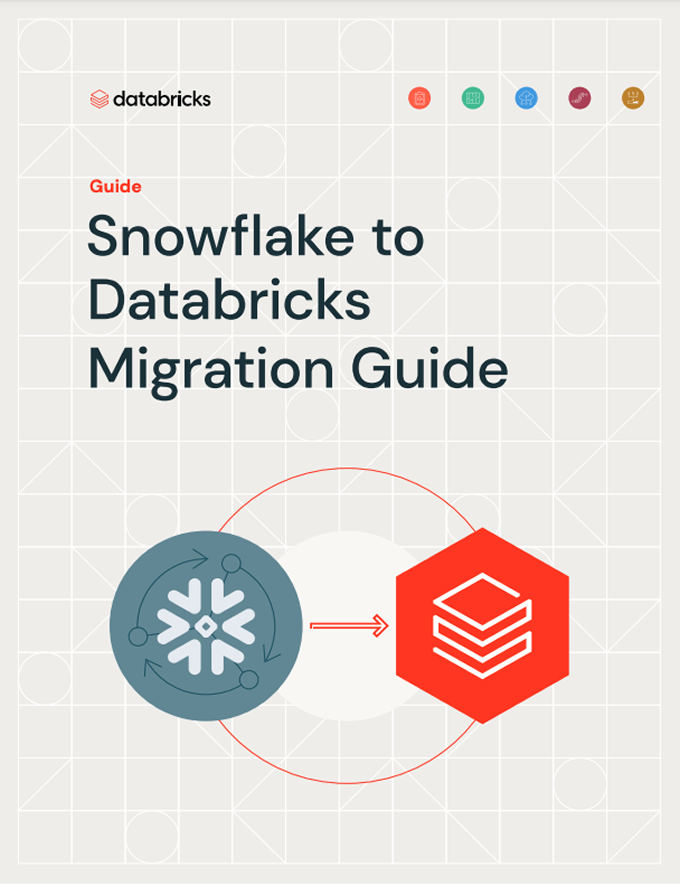
Snowflake에서 Databricks로의 마이그레이션 가이드
단순한 AI/ML 사용 사례를 넘어서는 경우 Snowflake에서 머신러닝을 구현하려면 추가 도구를 관리하고 운영해야 합니다. 시간이 지남에 따라 아키텍처는 더 복잡해질 것입니다. ETL 비용도 증가할 것입니다. Databricks 데이터 인텔리전스 플랫폼을 사용하면 고성능의 비용 효율적인 ETL과 AI에 대한 기본 지원을 받을 수 있습니다.
이 마이그레이션 가이드를 다운로드하여 다음에 대해 알아보세요.
- 마이그레이션 프로젝트의 5가지 주요 단계
- 레이크하우스를 확장하기 위한 모범 사례
- 마이그레이션 여정에 도움이 되는 리소스