What is Bioinformatics?
Interdisciplinary field combining biology, computer science, math, and statistics to collect, store, analyze, and interpret biological and genomic data
- Bioinformatics combines biology, computer science and statistics to store, process and analyze biological data such as DNA and protein sequences.
- Bioinformatics helps researchers find patterns in large, complex datasets so they can understand genes, diseases and how organisms function.
- Common bioinformatics tasks include sequence alignment, variant calling and building predictive models from genomic and clinical data.
Bioinformatics is a field of study that uses computation to extract knowledge from large collections of biological data.
The agentic AI playbook for the enterprise

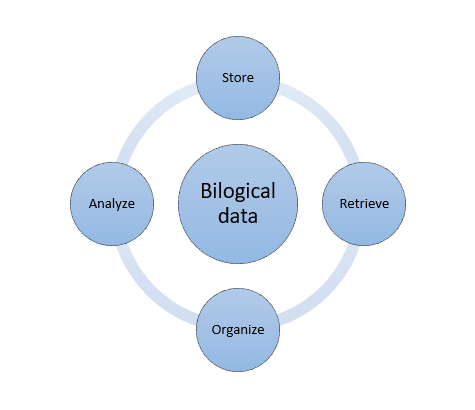
Bioinformatics refers to the use of IT in biotechnology for storing, retrieving, organizing and analyzing biological data. An outstanding amount of data is being generated by genome sequencing projects and other studies, as a result of this data wave, most of the challenges in biology have actually turned into provocations in computing. The term bioinformatics was first used by Paulien Hogeweg and Ben Hesper in 1970. Its meaning was different from today as its usage was in relation to "the study of informatic processes in biotic systems" and it was coined when the first biological sequence data began to be shared. The term is currently used much more broadly, including computational structural biology, chemical biology, and systems biology (both data integration as well as the modeling of systems). This highly interdisciplinary field involves the knowledge of several branches such as applied mathematics, informatics, statistics, computer science, artificial intelligence, chemistry, and biochemistry. Bioinformatics is essential for management of data in modern biology and medicine. This interesting field of science has numerous applications and research areas where it can be applied, some of the most well known are:
-
- Sequence Analysis
- Prediction of Protein Structure
- Genome Annotation
- Comparative Genomics
- Health and Drug discovery
- Waste cleanup
- Biotechnology
Additional Resources
Get the latest posts in your inbox
Subscribe to our blog and get the latest posts delivered to your inbox.