What is Unified AI Framework?
Discover how unified platforms bring together data preparation, model training, and production deployment across AI frameworks
- Unified AI refers to bringing different AI frameworks and tools together so organizations can move from research focused work to deployed models on a common foundation.
- Databricks presents unified analytics as a broader vision that spans the full AI lifecycle, from preparing datasets and engineering features to training models and putting them into production.
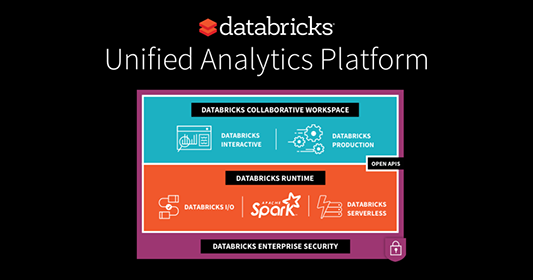
- The Databricks Unified Analytics Platform lets data engineers and data scientists use multiple AI frameworks on a single platform while collaborating to prepare data, train models and deploy them into production.
Unified Artificial Intelligence or UAI was announced by Facebook during F8 this year. This brings together 2 specific deep learning frameworks that Facebook created and outsourced - PyTorch focused on research assuming access to large-scale compute resources while Caffe focused on model deployment on Android and Raspberry Pi devices. Unlike the narrow scope of Facebook’s Unified AI, Unified Analytics is a category of solutions that look at the entire lifecycle of AI - all the way from preparing datasets, feature engineering, model development, training, to deployment of models into production. It truly unified data with AI throughout the dev-to-production lifecycle. Databricks’ Unified Analytics Platform powered by Apache Spark enables organizations to accelerate innovation by bringing together data and AI technologies, improving collaboration between data engineers and data scientists, and making it simpler to prepare data, train models, and deploy them into production. Databricks platform lets data scientists choose from a broad set of AI frameworks - Spark MLlib, TensorFlow, Pytorch, Caffee2 and others.
The agentic AI playbook for the enterprise

Get the latest posts in your inbox
Subscribe to our blog and get the latest posts delivered to your inbox.