What is Predictive Analytics?
Using statistical algorithms, ML techniques, and historical data patterns to forecast future outcomes, trends, and behaviors for data-driven decisions
- Predictive analytics uses historical and real time data with statistical modeling, data mining and machine learning to identify patterns and forecast future outcomes so organizations can make better data driven decisions.
- Predictive analytics draws on sources like sensor, transactional, customer and marketing data and uses big data tools to analyze large datasets and uncover risks and opportunities before they occur.
- A defined predictive analytics lifecycle moves from defining the business problem and preparing data to building, validating, deploying and monitoring models so they keep delivering accurate, actionable predictions.

Predictive analytics is a form of advanced analytics that uses historical and real-time data, statistical modeling, data mining, and machine learning to identify patterns and forecast future outcomes and trends. Organizations use predictive analytics to anticipate risks and opportunities so they can make more informed, data-driven decisions.
How Does Predictive Analytics Work?
Common Techniques in Predictive Analytics
Predictive analytics commonly relies on the following techniques:
- Statistical analysis and analytical queries.
- Data mining to uncover hidden patterns.
- Predictive modeling to estimate future outcomes.
- Machine learning and automated ML algorithms.
Together, these create models that estimate the likelihood of future events and include what-if scenarios and risk assessment.
Data Sources for Predictive Analytics
With predictive analytics, organizations can find and exploit patterns contained within data in order to detect risks and opportunities.
Common data sources for predictive analytics include:
- Engineering and sensor data from connected devices and instruments.
- Transactional and operational data such as sales, orders, and inventory.
- Customer data, including behavior, feedback, and support interactions.
- Marketing and campaign performance data.
Big Data and Processing Tools
In order to extract value from big data, companies apply algorithms to large data sets using tools like Hadoop, Spark and modern platforms such as the Databricks Data Lakehouse. These can capture, store and process the large volumes of data structured or unstructured, from different sources like connected devices and sensors and bronze, silver, and gold data layers that measure your business.
The agentic AI playbook for the enterprise

Different Stages of Predictive Analytics Life Cycle
Predictive analytics has its own life cycle; its first lifecycle starts with the problem statement that is its birth and goe up to its replacement by another model. Here are the stages of predictive analytics: 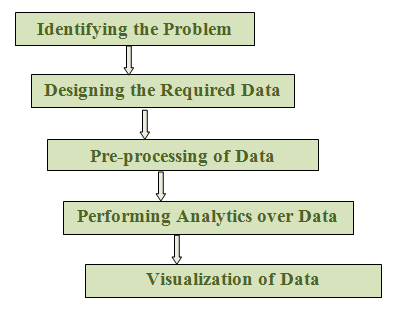 Predictive analytics can help you make confident real-time recommendations that reduce costs, improve safety, and inform investments.
Key Stages in the Predictive Analytics Life Cycle
- Define the business problem or use case.
- Collect and prepare relevant historical and real-time data.
- Build and train predictive models using statistical and machine learning techniques.
- Validate and refine models based on performance metrics.
- Deploy the model into production and integrate with business processes.
- Monitor performance and update or replace the model over time.
Additional Resources
Get the latest posts in your inbox
Subscribe to our blog and get the latest posts delivered to your inbox.