What is a Data Analysis Platform?
An ecosystem of services for analyzing voluminous, complex data, enabling users to retrieve, combine, explore, and visualize data from various sources
- A data analysis platform brings together tools, infrastructure and data so users can explore, visualize and model information in one place.
- A data analysis platform centralizes access to data, compute resources and collaboration features, making it easier for teams to share work and standardize analytics.
- With a modern data analysis platform, organizations can scale from simple reports to advanced analytics and machine learning on growing datasets.
What is a Data Analysis Platform?
A data analytics platform is an ecosystem of services and technologies that needs to perform analysis on voluminous, complex and dynamic data that allows you to retrieve, combine, interact with, explore, and visualize data from the various sources a company might have. A comprehensive data analysis platform incorporates several tools with various capabilities, from predictive analytics and data visualization to location intelligence, natural language, and content analytics. Its main scope is to turn every kind of data into actionable insights for real business outcomes. 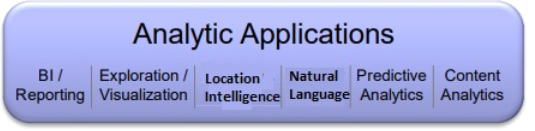
A comprehensive big data analysis platform should be able to:
- integrate different Big Data sources and provide a transparent view to the users;
- manage and protect the organization’s data assets in order to guarantee generally understandable, correct, complete and secure corporate data;
- monitor the data, resources, and applications to review and evaluate the health and performance of the whole system
A well-executed big data analysis, irrespective of whether the data is qualitative or quantitative, provides the possibility to:
- describe and summarise the data
- identify relationships between variables
- compare variables
- identify the difference between variables
- uncover hidden markets,
- discover unfulfilled customer demands
- discover unfulfilled customer demands and cost reduction opportunities
- forecast outcomes
- drive game-changing, significant improvements
The agentic AI playbook for the enterprise

If we are talking about big data Hadoop is the preferred choice for such a requirement mainly because proved to be reliable, flexible, economical, and a scalable solution. Even though Hadoop is capable of storing this large scale data on HDFS (Hadoop Distributed File System), it does not mean that it is the only solution available. There are multiple other tools available in the market for analyzing this huge data such as MapReduce, Pig and Hive.
Additional Resources
Get the latest posts in your inbox
Subscribe to our blog and get the latest posts delivered to your inbox.